
Carnival of Schignano: an authentic winter experience near Lake Como
Hidden among the mountains above Lake Como, in the heart of the Intelvi Valley, the Carnival of Schignano is one of the most authentic and evocative events in Northern Italy. Far from the polished image of traditional carnivals, this celebration is raw, symbolic, and deeply rooted in local history. Every year, it attracts visitors from across the Lake Como area who are looking for something genuine, cultural, and unforgettable.
A historic carnival shaped by tradition
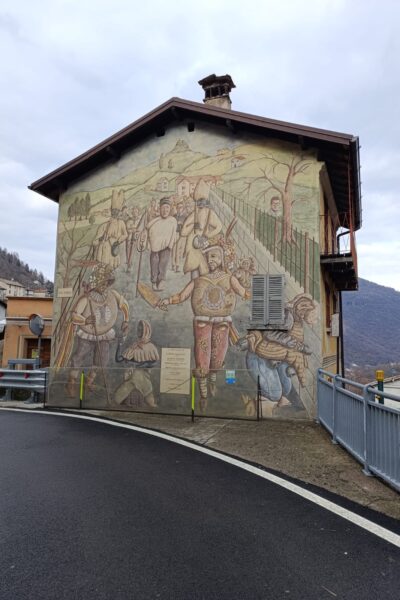
The Carnival of Schignano has ancient origins, passed down through generations rather than written records. It was born as a popular celebration connected to rural life, seasonal cycles, and social contrasts. Emigration, hard work, and everyday struggles are all reflected in the characters and rituals that still define the carnival today.
This is not a staged event created for tourism. It is a living tradition, proudly preserved by the local community and felt deeply throughout the region.
When does the Carnival of Schignano take place?
The carnival is celebrated according to the traditional calendar, in the weeks leading up to Lent, usually between February and early March. The most important moments take place during weekends and on Shrove Tuesday, when the village comes alive with parades, music, and spontaneous performances.
Walking through Schignano during carnival days means stepping into an open-air theatre, where streets, squares, and narrow alleys become part of the show.
The Belli and the Brutti: symbols of contrast
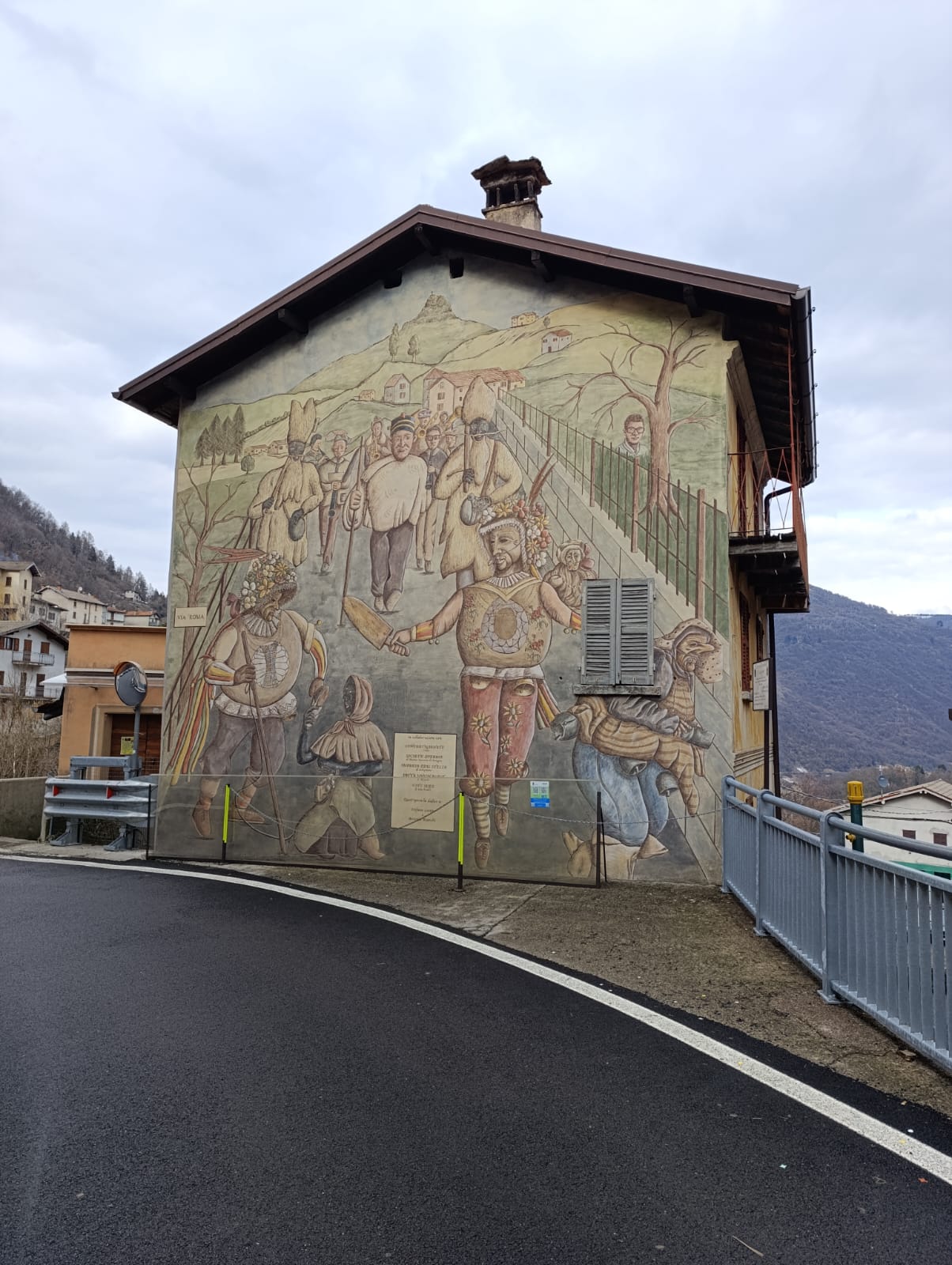
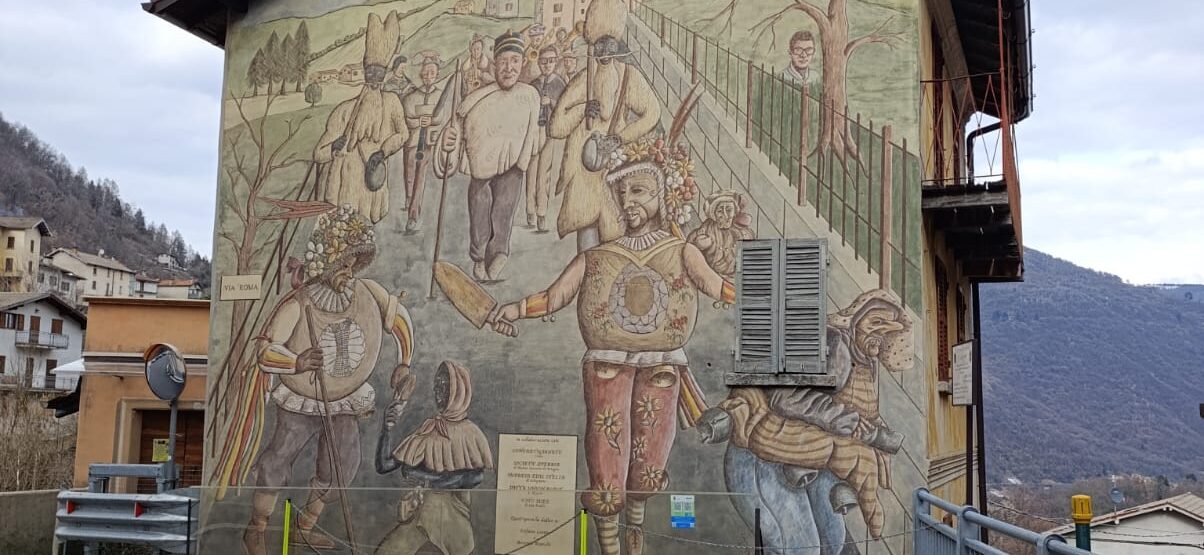
At the heart of the Carnival of Schignano are its two iconic figures: the Belli (the Beautiful) and the Brutti (the Ugly).
-
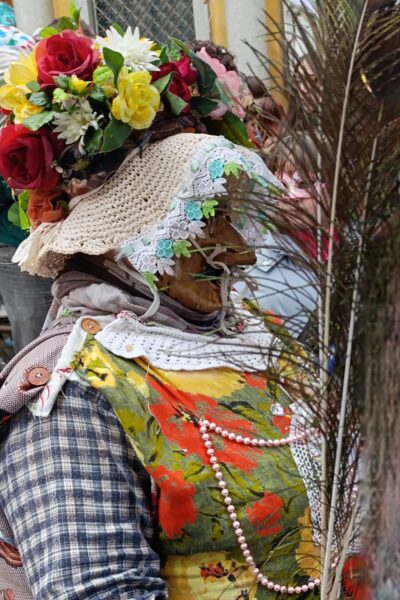
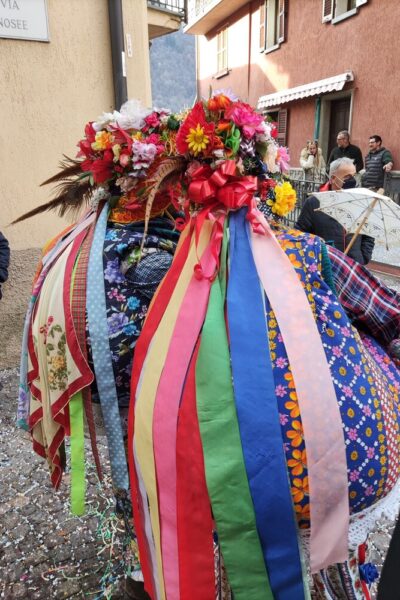
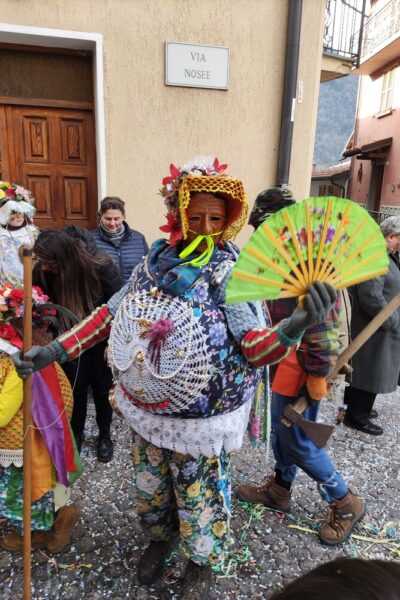
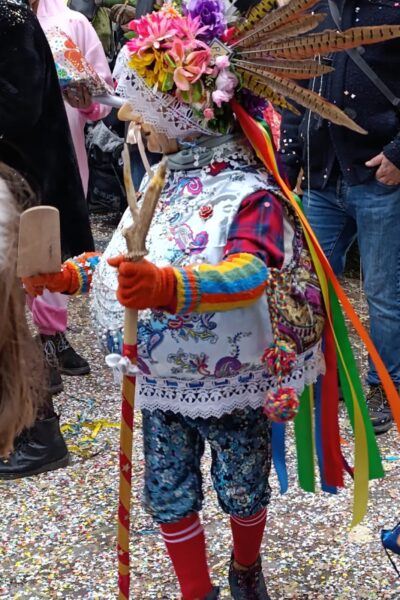
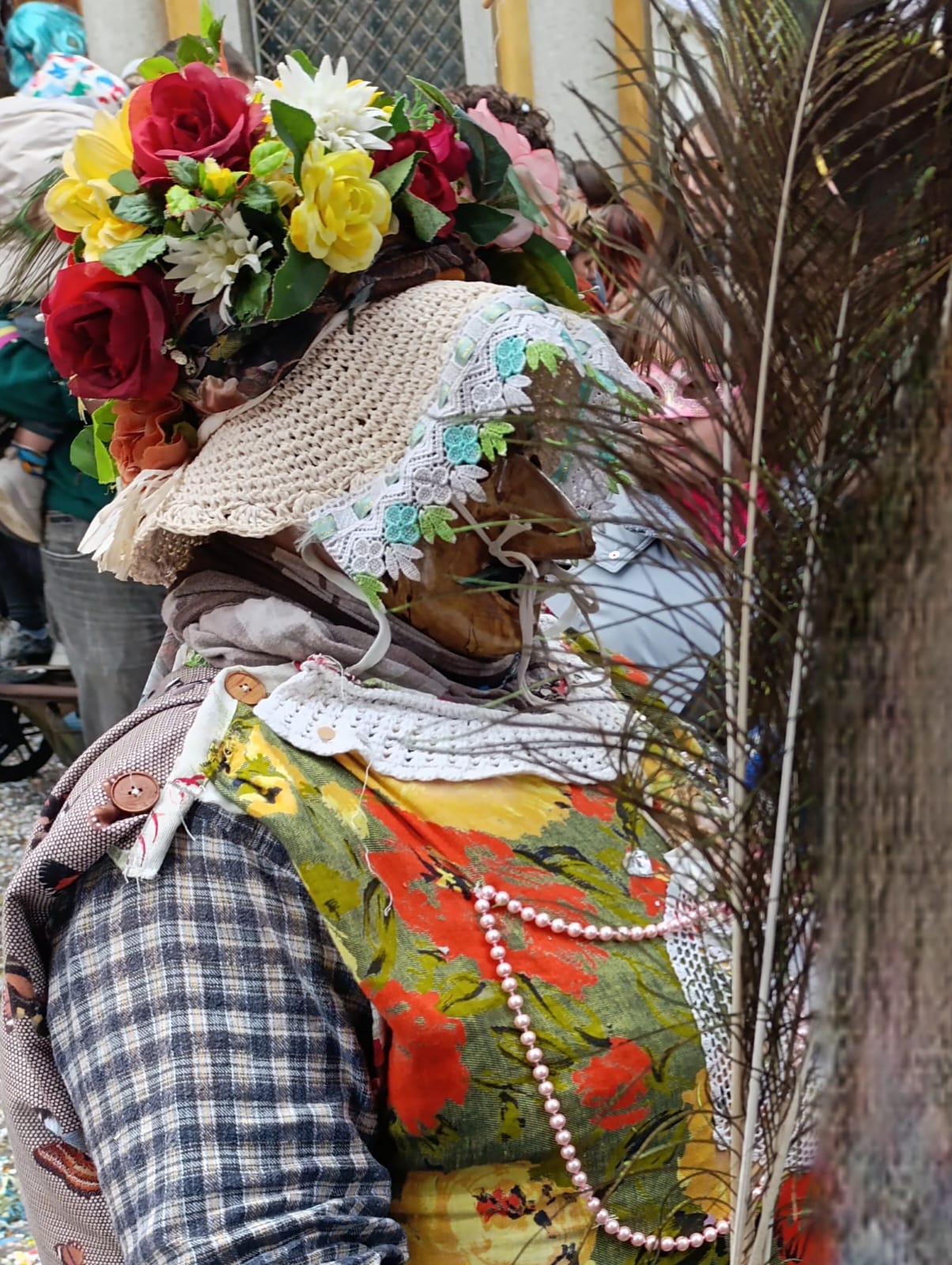
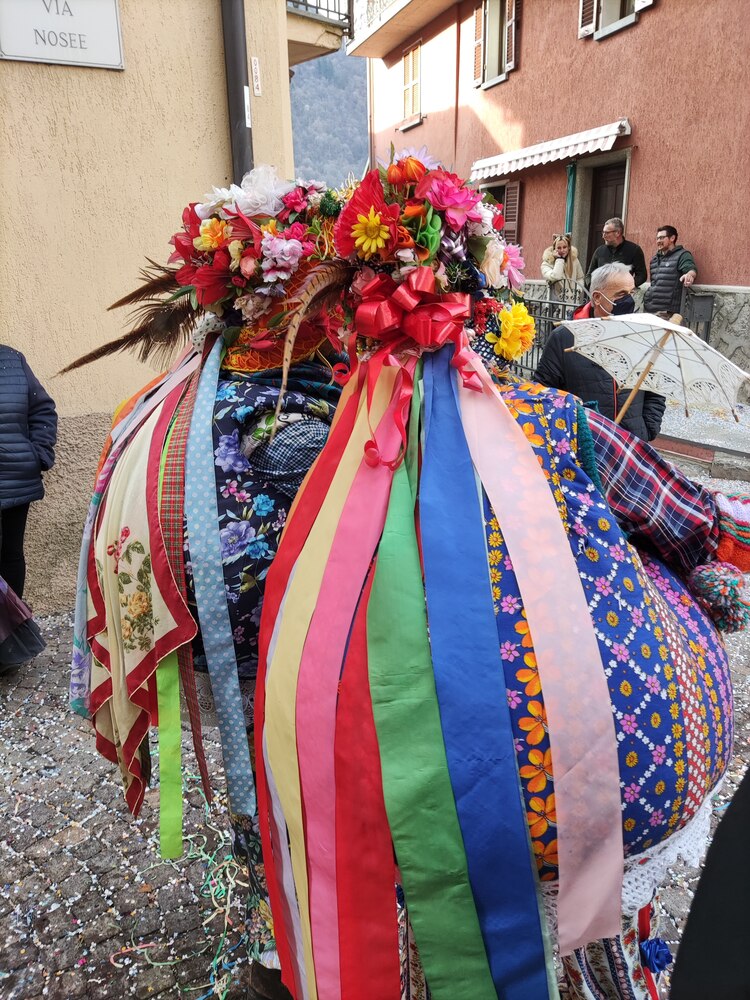
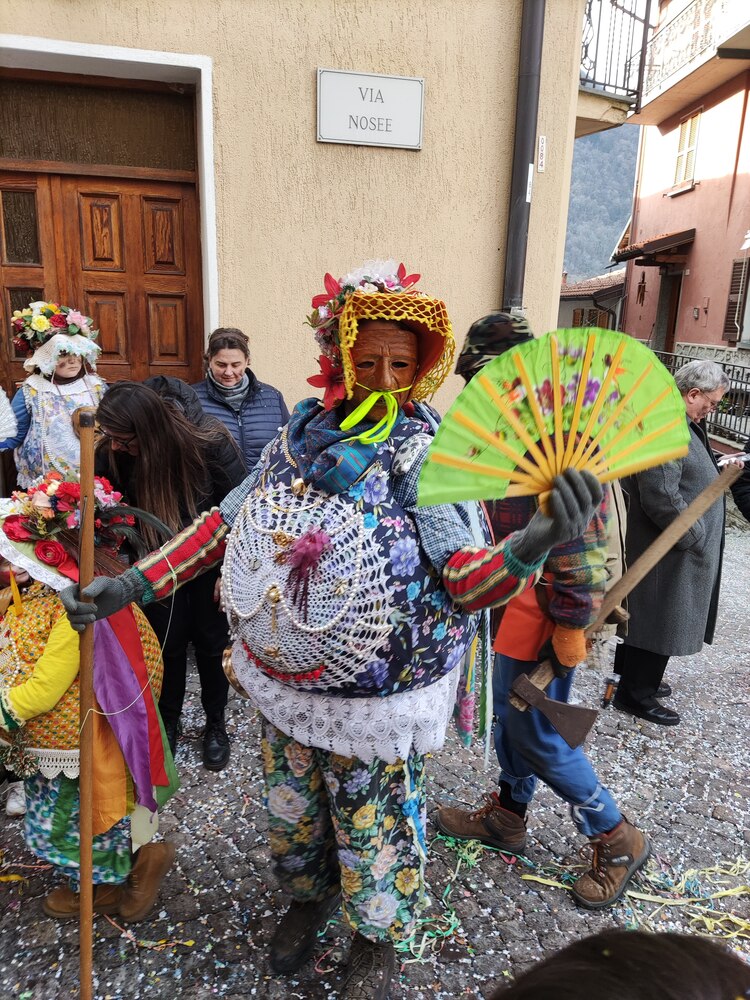
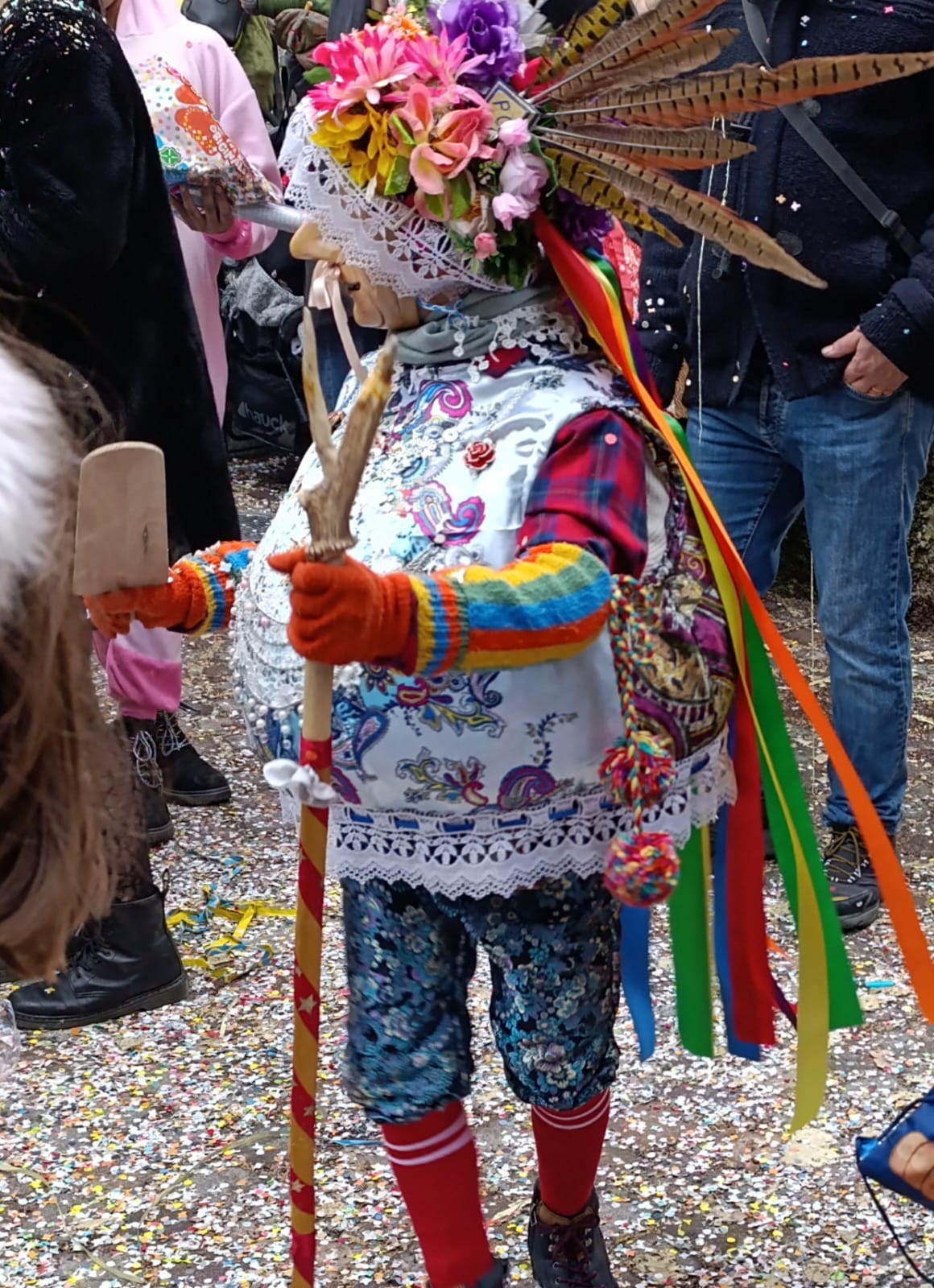
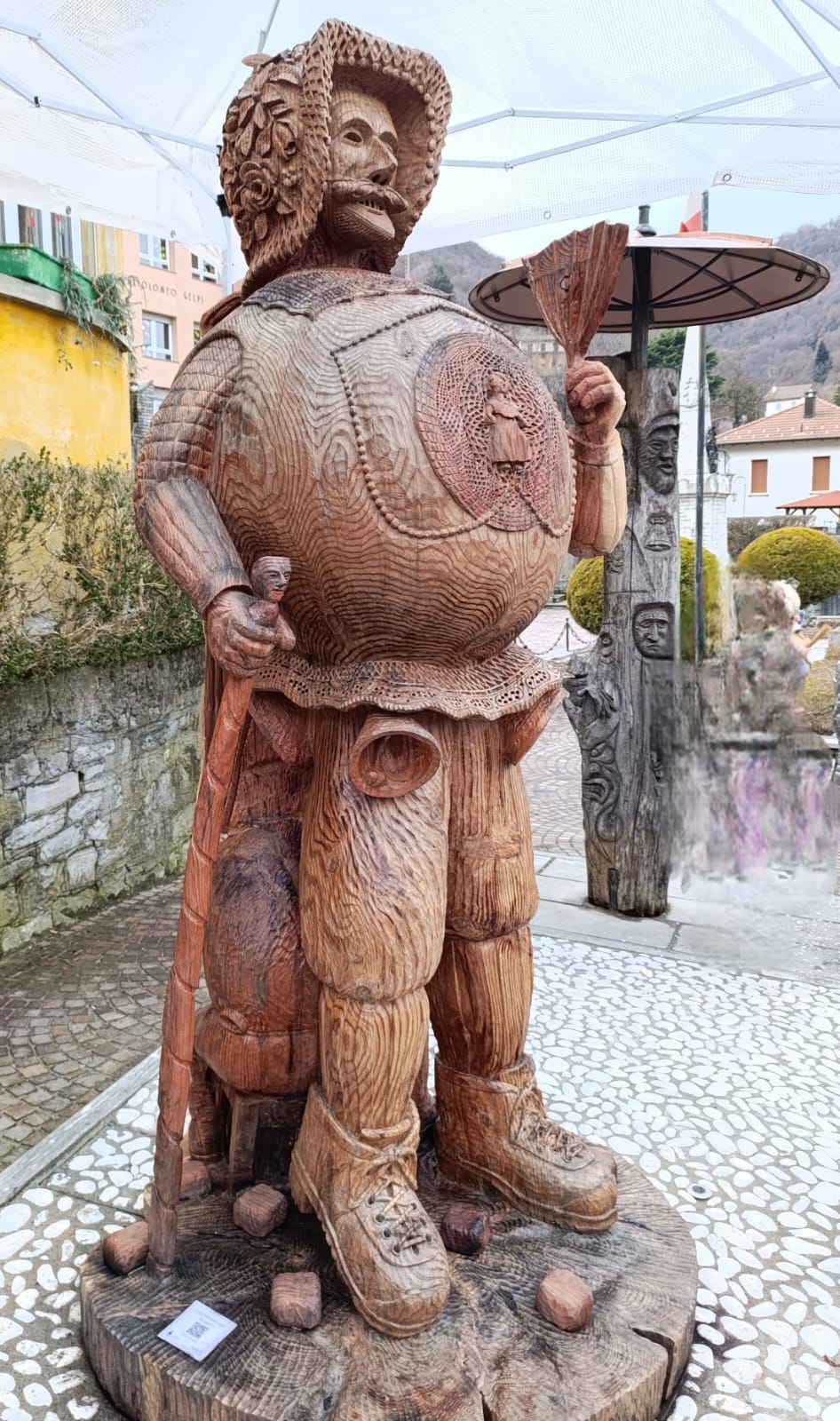
The Belli wear elegant, colourful costumes decorated with ribbons, flowers, and fine details. They represent wealth, appearance, and social status.
-
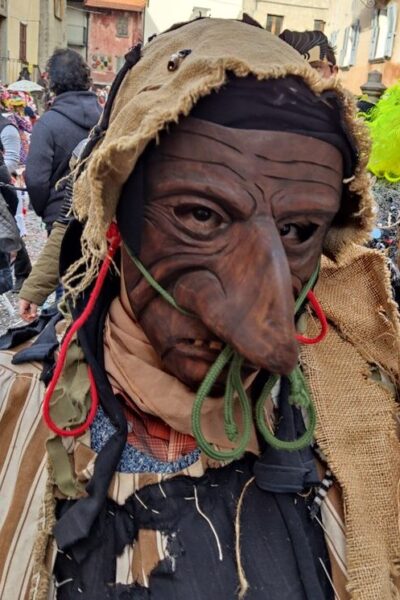
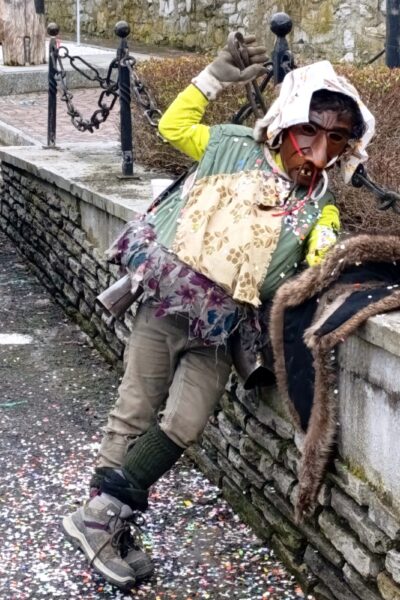
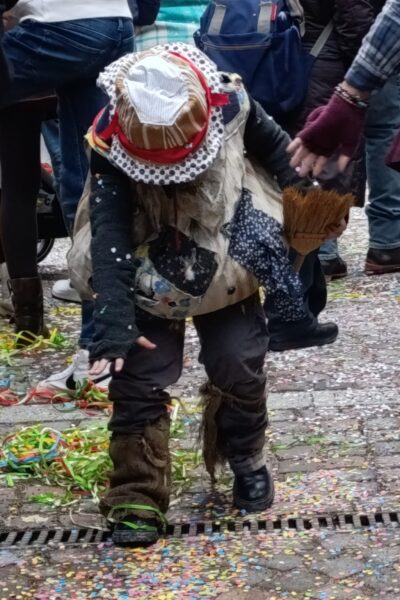
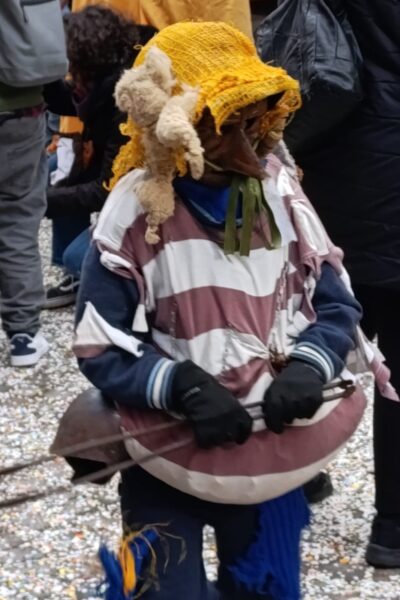
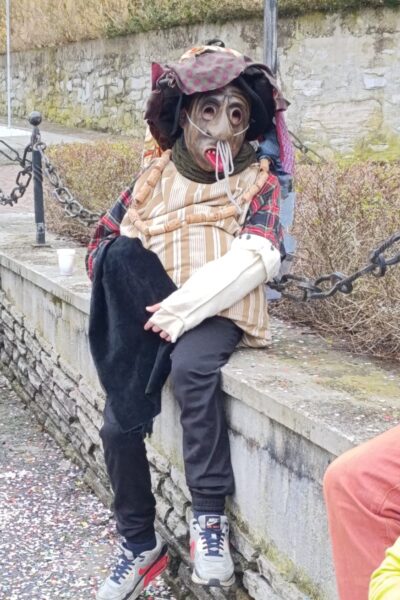
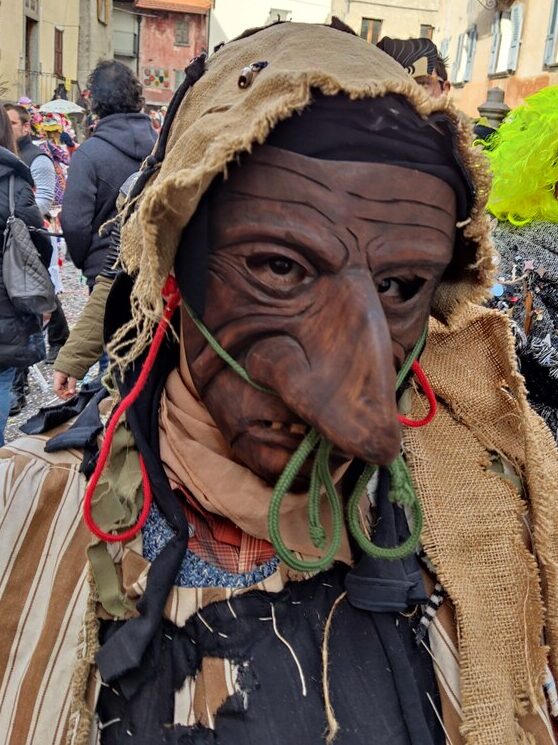
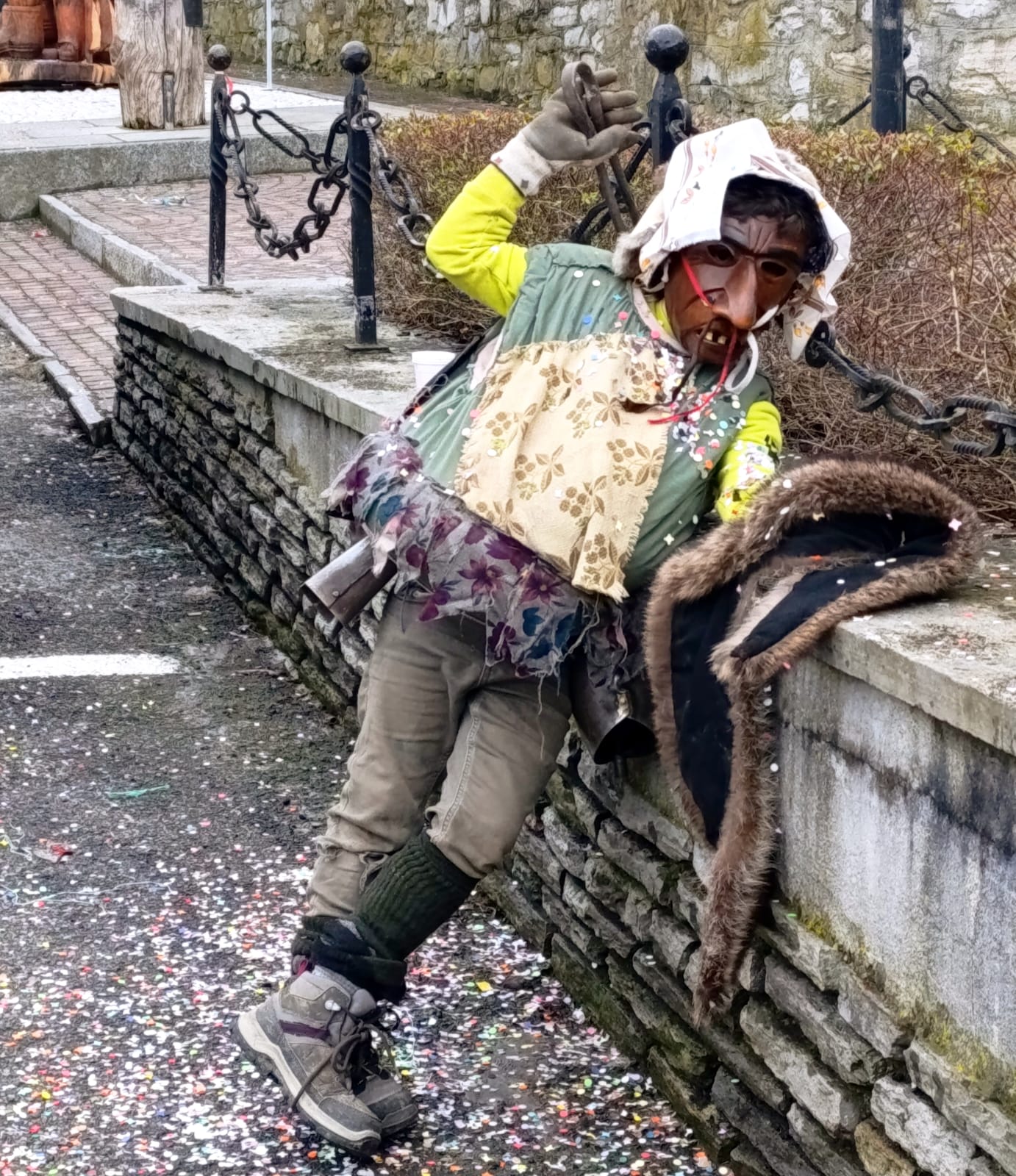
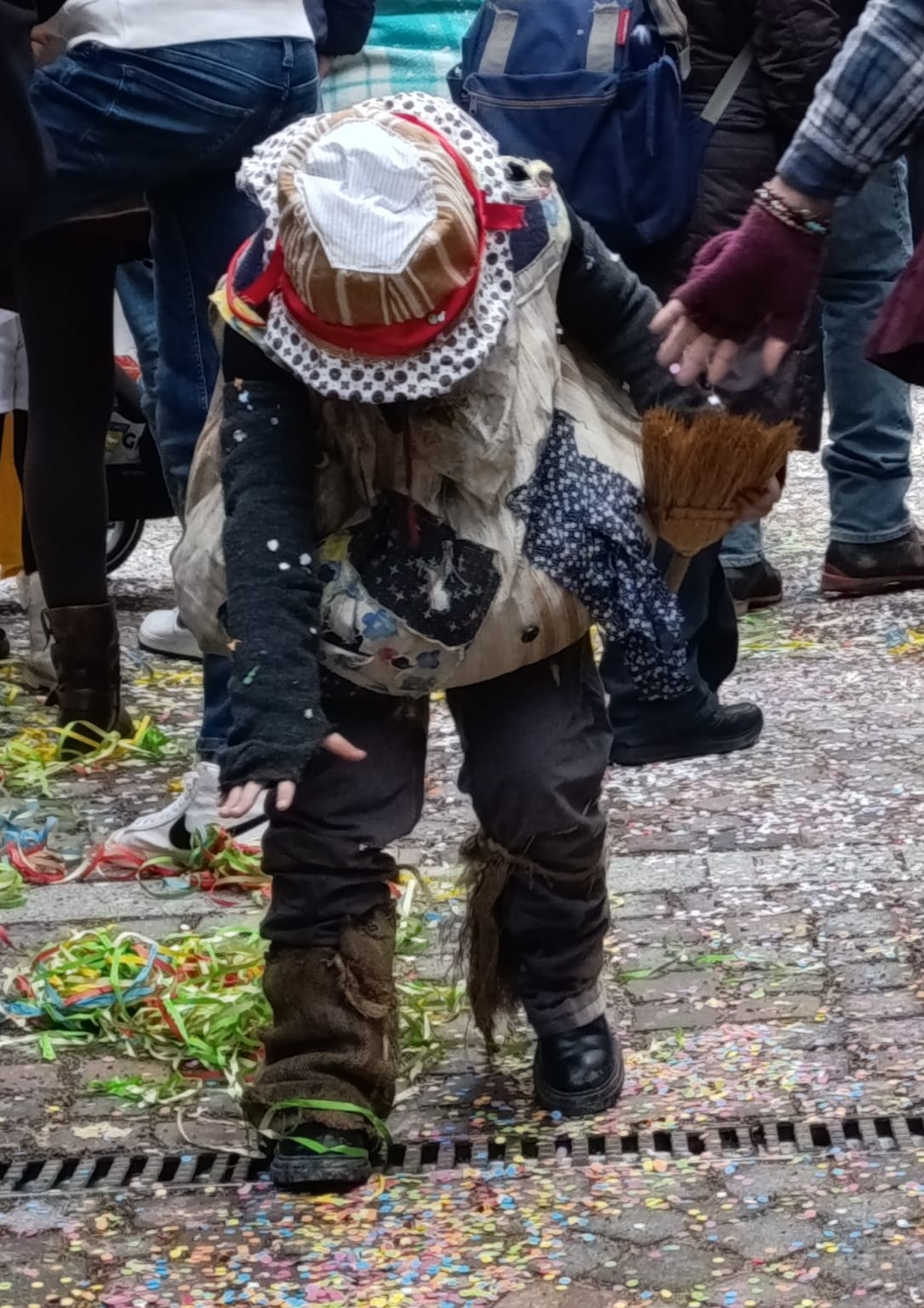
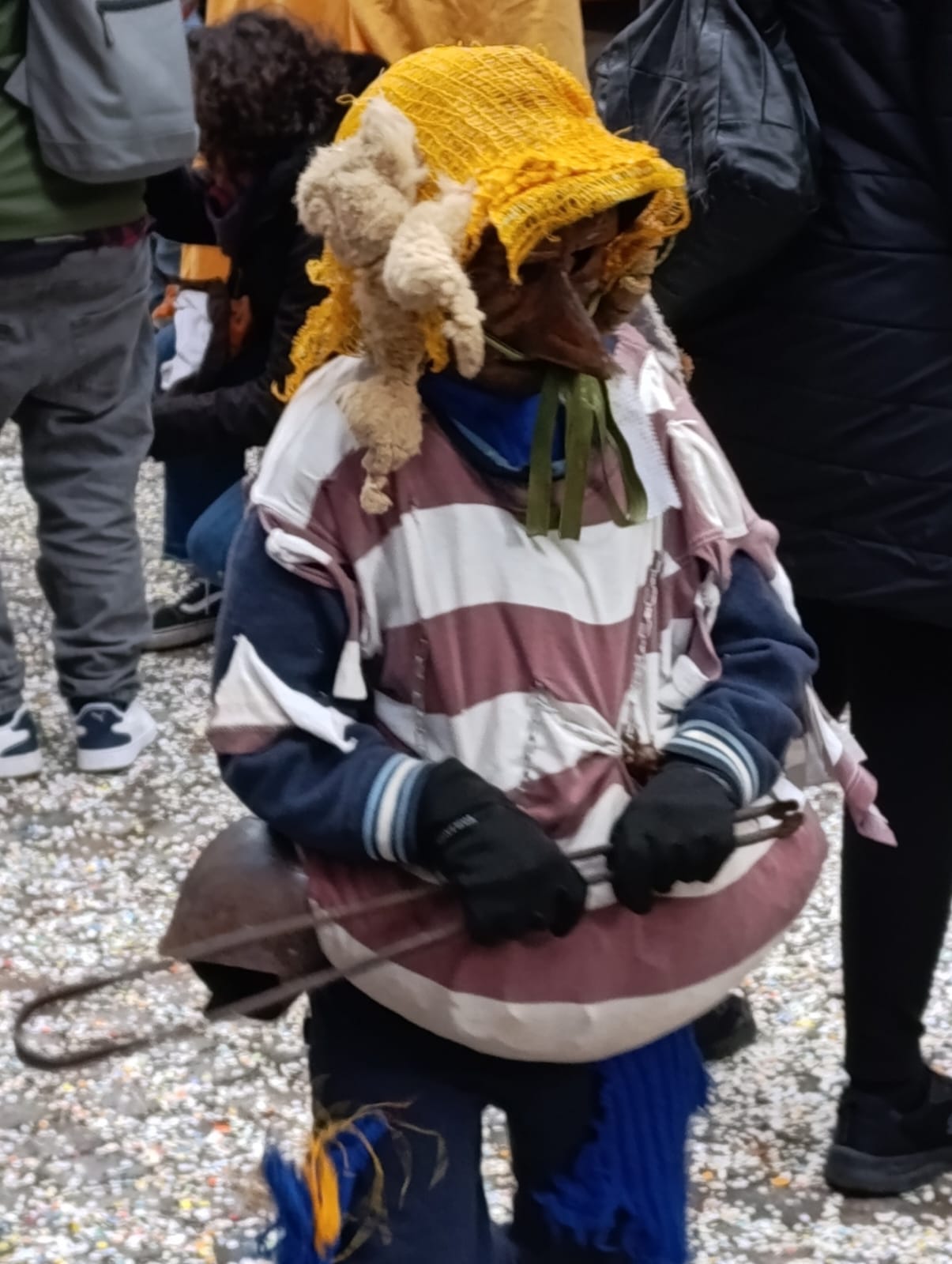
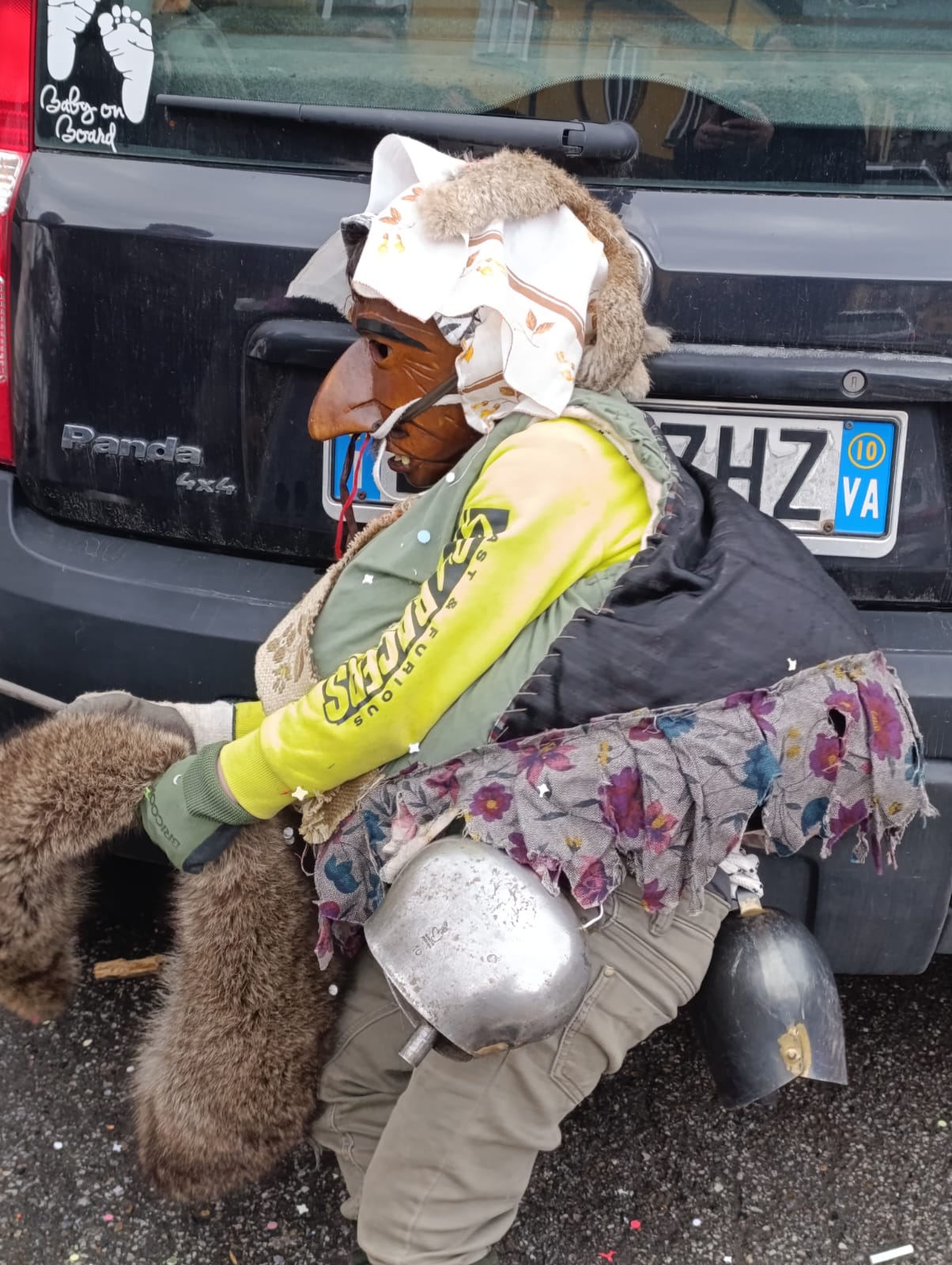
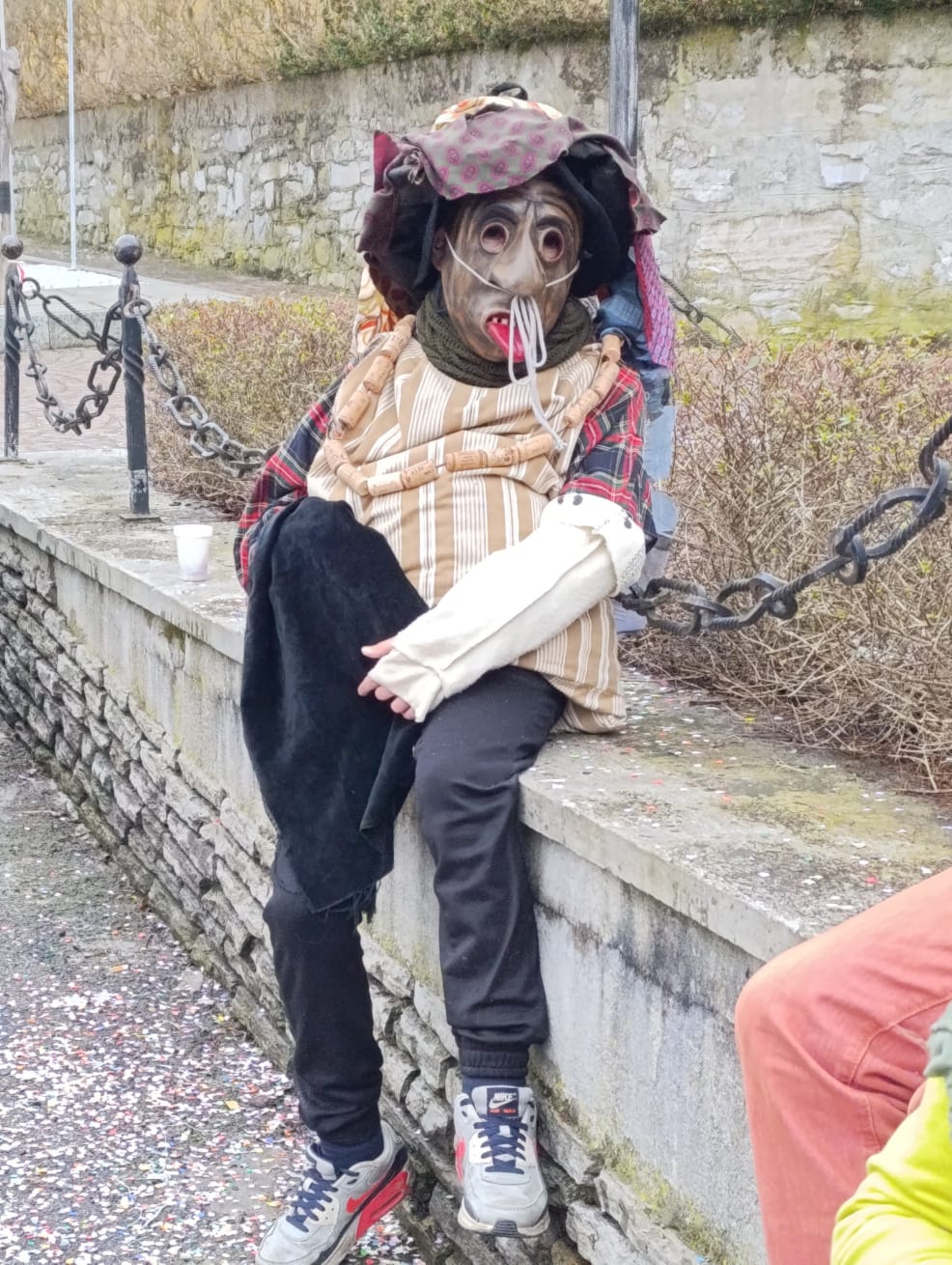
The Brutti wear worn clothes, animal skins, bells, and expressive wooden masks. Their exaggerated movements and rough appearance symbolise hardship, poverty, and the irony of everyday life.
Together, they create a powerful contrast that turns the carnival into a moving social narrative rather than a simple parade.
La Ciocia and the carnival characters
One of the most recognisable figures is La Ciocia, traditionally played by a man. Loud, energetic, and ironic, she follows the Mascarun through the streets, adding humour and chaos to the celebration.
Other characters represent authority and order, guiding the rhythm of the event until its final act: the symbolic burning of the carnival figure, marking the end of festivities and the beginning of a new cycle.
Hand-carved wooden masks
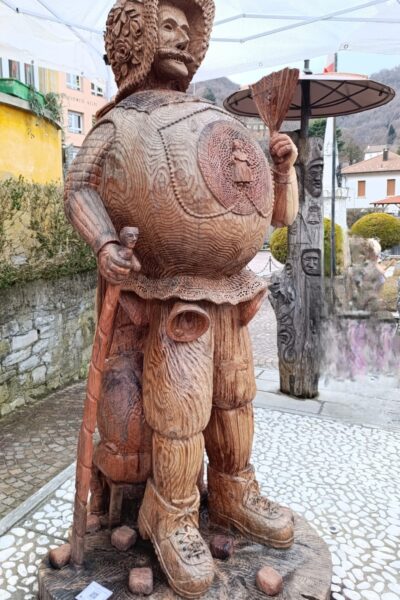
A defining feature of the Carnival of Schignano is its hand-carved wooden masks, created by local artisans. Each mask is unique, expressive, and deeply personal. These masks are not decorative objects but powerful tools of storytelling, giving life to characters that exist only during carnival time.
Why visit the Carnival of Schignano?
If you are planning a trip to Lake Como in winter, the Carnival of Schignano is one of the most fascinating things to see and do between February and March. It offers a rare opportunity to experience local culture beyond the classic lake views and villas.
This is a carnival that involves the entire community, strongly felt by the surrounding area and impossible to replicate elsewhere.
It is not just something to watch, but something to experience — a celebration that leaves a lasting impression.
For travellers looking for authentic experiences near Lake Como, the Carnival of Schignano is an unmissable event.